

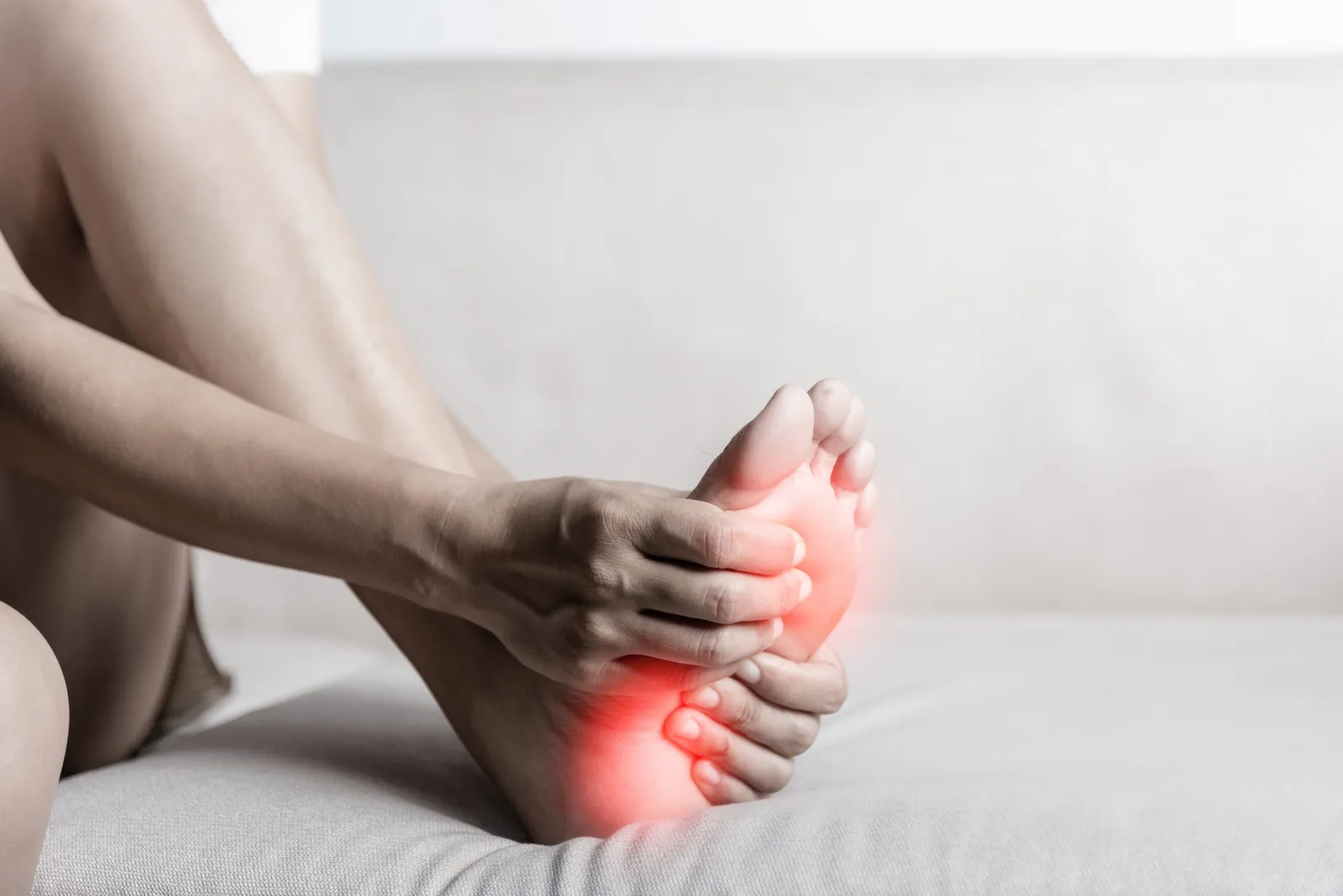
Plantar Fasciitis: Why That First Step in the Morning Hurts (and What to Do About It)
If you’ve ever got out of bed and felt a sharp, stabbing pain in your heel with your very first steps, you already know how disruptive plantar fasciitis can be. It’s one of the most common causes of heel pain we see in clinic, and it affects everyone from marathon runners to people who spend all day on their feet at work to those who’ve simply become more active than usual. The good news is that it’s also one of the most treatable conditions — provided it’s caught and managed properly. Left alone, though, it can turn from a mild annoyance into a long-term, activity-limiting problem.
What Is Plantar Fasciitis?
The plantar fascia is a thick, fibrous band of tissue that runs along the bottom of your foot, connecting your heel bone to your toes. Think of it as a supportive “bowstring” that holds up the arch of your foot and absorbs shock every time your foot strikes the ground.
Plantar fasciitis occurs when this band becomes irritated, overloaded, or develops small tears — usually near where it attaches to the heel bone. Despite the name (the “-itis” suggests inflammation), we now understand this condition is often more about tissue degeneration and micro-damage from repetitive strain than pure inflammation. That’s an important distinction, because it affects how we approach treatment.
How It Starts
Plantar fasciitis rarely appears out of nowhere. It typically develops gradually, as a result of the plantar fascia being asked to do more than it’s conditioned for. Common triggers include:
Sudden increases in activity. Runners who ramp up their mileage too quickly, or people who suddenly start a new fitness regime, are prime candidates. The tissue simply hasn’t had time to adapt to the new demand.
Prolonged standing or walking on hard surfaces. Retail workers, teachers, tradespeople, and anyone whose job keeps them on their feet for hours at a time put repetitive stress through the plantar fascia day after day.
Poor footwear. Shoes with inadequate arch support or cushioning — or simply worn-out trainers — fail to absorb shock properly, transferring more load onto the fascia itself.
Tight calf muscles and Achilles tendon. When the muscles at the back of the lower leg are tight, it limits ankle mobility and increases tension through the plantar fascia with every step.
Biomechanical factors. Flat feet, high arches, or an altered walking pattern can all change how load is distributed through the foot, placing extra strain on the fascia.
Weight gain or pregnancy. Additional body weight increases the load the plantar fascia has to absorb with every step.
Age. The condition is most common between ages 40 and 60, as the fascia naturally loses some of its elasticity and shock-absorbing capacity over time.
Often, it’s a combination of these factors rather than a single cause — someone with tight calves and worn shoes who suddenly increases their walking distance, for example, is set up perfectly for this injury to develop.
How It Feels
The hallmark symptom of plantar fasciitis is a sharp, stabbing, or burning pain at the bottom of the heel, most intense with the first steps in the morning or after any period of rest. This is often called “first-step pain,” and it happens because the fascia tightens up overnight and is then suddenly stretched and loaded again the moment you stand.
The pain typically eases somewhat as you continue walking and the tissue warms up — which can be misleading, as it often tempts people to think the problem is resolving on its own. However, it commonly returns after prolonged standing, at the end of a long day, or after exercise.
Other symptoms can include:
- Tenderness when pressing directly on the bottom of the heel
- Stiffness in the foot, particularly first thing in the morning
- Pain that worsens when climbing stairs or standing on tiptoes
- A dull ache that lingers throughout the day, even when the sharp morning pain has settled
For some people, symptoms stay mild and intermittent. For others, the pain becomes constant and starts to affect every part of daily life — walking the dog, standing at the school gate, getting through a shift at work.
The Consequences of Leaving It Untreated
This is the part people underestimate. Plantar fasciitis has a frustrating habit of seeming manageable in the early stages, which leads many people to simply push through it rather than seek treatment. Unfortunately, ignoring it rarely makes it go away — more often, it makes things considerably worse.
It becomes chronic. What starts as an occasional ache can develop into a persistent, near-constant pain that no longer eases with rest or as you warm up. Chronic plantar fasciitis is significantly harder to treat than the acute version and can take many months, rather than weeks, to resolve.
Your gait changes. To avoid heel pain, people naturally start altering how they walk — shifting weight onto the outer edge of the foot, walking with a limp, or favouring the other leg. This compensation might reduce heel pain in the short term, but it places abnormal stress on your knees, hips, and lower back, often causing secondary pain and dysfunction in areas that were never the original problem.
Reduced activity and deconditioning. As the pain worsens, people naturally do less. This leads to reduced fitness, weight gain (which further loads the fascia), and weakening of the muscles that support the foot and ankle — creating a vicious cycle that makes recovery even harder.
Heel spurs. Long-term strain on the plantar fascia can lead to calcium deposits forming at the heel bone, known as heel spurs. While the spur itself isn’t always painful, its formation reflects the degree of chronic strain the area has endured.
Impact on quality of life. Persistent foot pain affects far more than exercise. It can make standing at work uncomfortable, disrupt sleep, limit social activities, and take a real toll on mental wellbeing when something as basic as walking becomes a source of dread.
The bottom line: plantar fasciitis rarely resolves well when ignored, and the compensations your body makes to avoid the pain often cause more widespread problems than the original injury itself.
How Physiotherapy Can Help
The encouraging news is that plantar fasciitis responds very well to physiotherapy, particularly when addressed early. Treatment typically focuses on several key areas:
Reducing pain and irritation. Manual therapy, taping techniques, and advice on activity modification can calm symptoms down in the short term, making daily life more manageable while the underlying issue is addressed.
Stretching and mobility work. Targeted stretches for the calf muscles, Achilles tendon, and plantar fascia itself help restore the flexibility needed to reduce strain with every step.
Strengthening. Building strength in the small muscles of the foot, as well as the calf and hip muscles, improves your foot’s ability to absorb load and support the arch properly — addressing the cause, not just the symptom.
Footwear and load management advice. We’ll look at what you’re wearing, how much time you’re spending on your feet, and how to gradually build back activity levels without overloading the healing tissue.
Addressing biomechanics. If flat feet, altered gait, or other structural factors are contributing, we can recommend appropriate supports, orthotics, or exercises to correct the underlying mechanics.
A structured, progressive plan. Rather than a one-size-fits-all approach, effective treatment is tailored to how long you’ve had symptoms, your activity levels, and your specific goals — whether that’s getting back to running or simply making it through a working day without pain.
Don’t Wait for It to Get Worse
If you’re experiencing heel pain — particularly that telltale first-step soreness in the morning — the best time to get it assessed is now, not once it’s stopped you doing the things you love. Early intervention typically means a faster, simpler recovery. Left untreated, plantar fasciitis has real potential to become a chronic, life-limiting condition that’s considerably harder to shift.
Get in touch to book an assessment, and let’s get you back on your feet — pain-free.